

'Temenos'; Creating Sacred Space In Our Time
written by Stacy Montaigne AuCoin

In the swirl of accelerating events around us, sound footing becomes essential. The longer I live on this earth, and drawing from my work with therapy clients over the years, I have learned that our ability to create sacred* space in our lives is a fundamental aspect of our well-being and quality of life.
Sure-footed, inspired navigation comes from cultivating an easy relationship with our internal psychological-spiritual center. It comes from inner alignment, and deep, regular listening. This spiritual center is where I remember who I really am, unfettered; and it is an continuous practice. In the past, David and I offered retreats designed to co-create sacred space for personal exploration, resonance, and growth. During the pandemic we began our newsletter ‘Temenos’ to explore and celebrate matters of meaning and soul. ‘Temenos’ means sacred space.
Today, I want to explore the meaning of temenos, its ancient Greek roots, and the intersections with psychological, spiritual , and physical planes of being.
Temenos in Ancient Greece
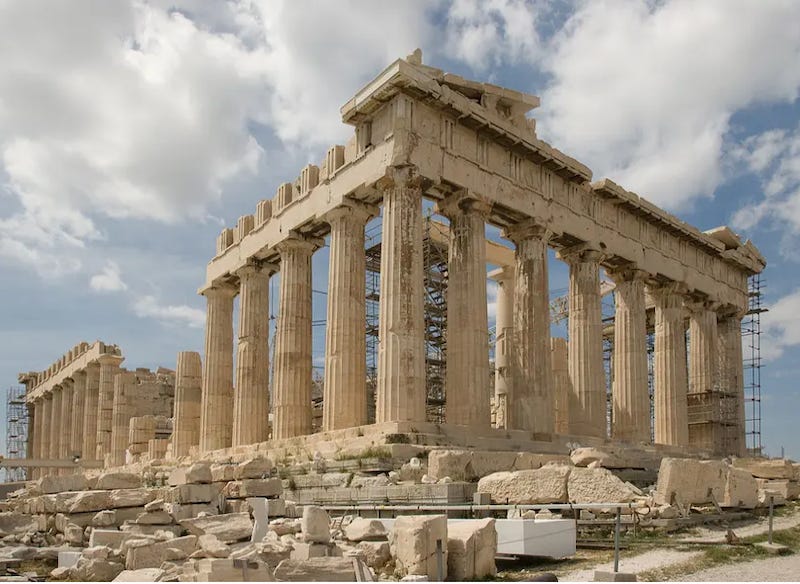
The word ‘temenos’ comes from ancient Greek, meaning “a sacred space that is set aside, a sanctuary.” Starting before Plato’s time, temenoi were sacred spaces for worship and meditation. They could include sacred groves, a pool, or a temple enclosure. They were spaces often marked by boundary stones, walls, colonnades, or peribolos (enclosed courts). There are also connections between temenos space and the Greek hero, healer (and later god), Asclepius.
What’s interesting about Asclepius and the temenos intersection is the practice of healing through dreams. People would come far and wide to sleep and dream in sacred temenos spaces—sometimes temples and sometimes “abatos“ (caves). The practice was specifically referred to as “incubation.” A dream would come to those that slept here—sometimes experienced as visitations by Apollo—and culminated in a meeting with a healer/priest who would translate the dream, and help reveal a ‘remedy’ for what ailed them. Dream work and tending to the rich language of symbolism lies at the heart of my former therapy practice and my own personal journey of growth. So, it’s not a surprise that I would be drawn to this application of temenos.
The Physical Points To Something Deeper
Symbolically, the original physical boundaries of the sacred stone enclosure visually reminds us that we must move into a deeper layer of consciousness when we enter the temenos space. With intention, we cross the threshold into a different perception of being, free of mindless doings, and daily demands upon us.
In this way, temenos is also something each of us can cultivate within ourselves. Not only does it help us navigate from a place of greater self-knowledge but it enriches our vitality. As I see it, temenos is a place of intersections: Self and divine; Self and nature. It is the place where time disappears. It’s a place where we can sense our relatedness and partake in the flow of reciprocity. A place for both the meditative ‘no-thing’; and the ebullient font of tremendous wisdom.
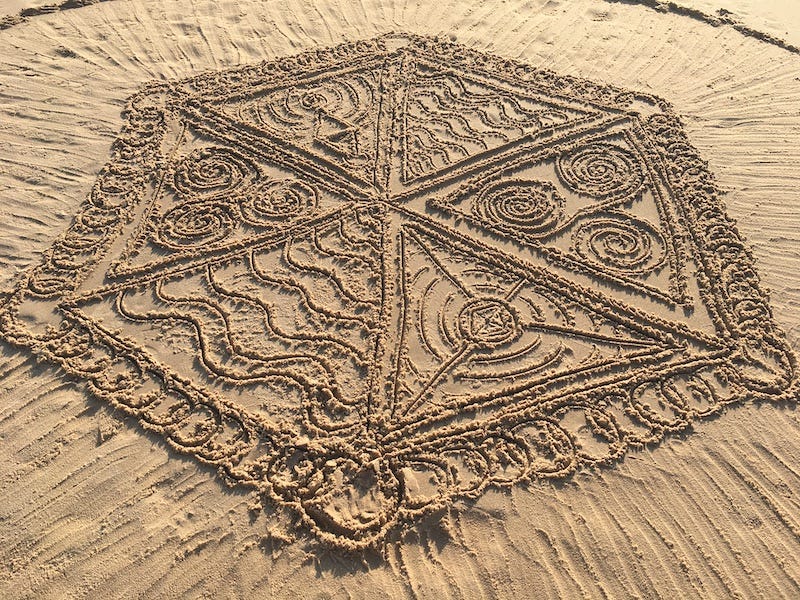
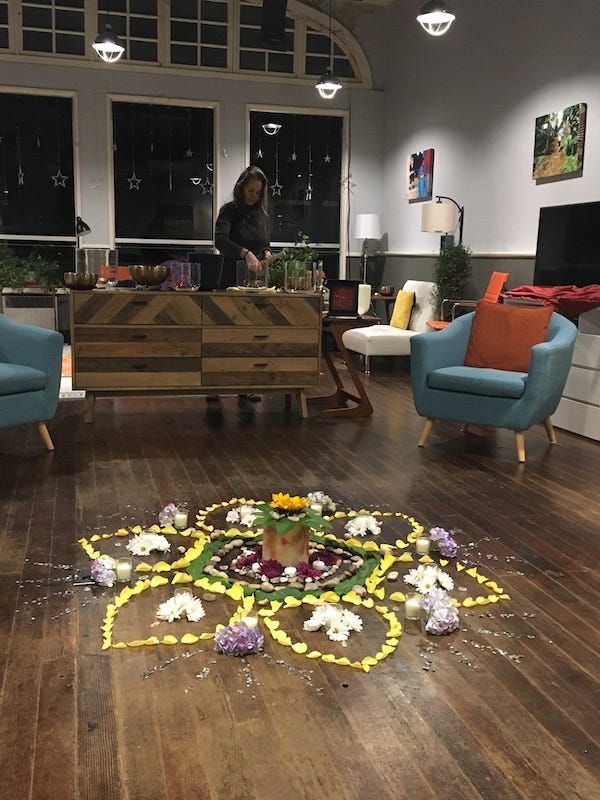
Carl Jung imagined temenos as the emotional or psychological space that was safe and protected where spiritual growth and self-discovery can occur. It is simultaneously physical and psychological and spiritual. For him, it was the ‘magic circle’ between analyst and patient, where mental and emotional work can take place. He believed these symbolic and psychological holy places of temenos were naturally revealed in dream imagery, drawings, and mandalas. Symbolically, he imagined the “circled square” of temenos as a symmetrical rose garden with a fountain in the middle where one can safely encounter the unconscious. In this temenos garden, unconscious content can be brought into the light of consciousness. Here, his patients could meet their own shadow and integrate it. Temenos was a meditative inner space deep within us where soul-making takes place.
Temenos: Spaces For Creativity & Art
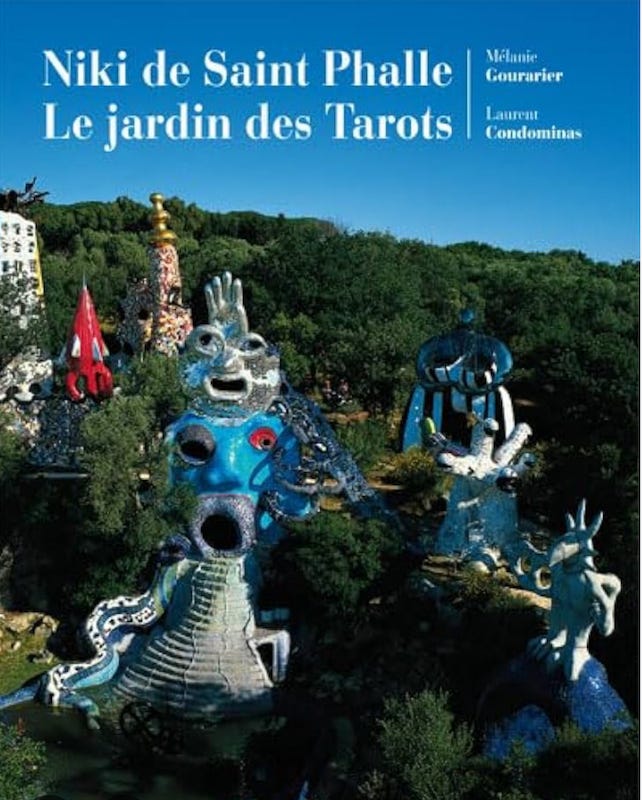
Creative expression can emerge from temenos space, and then these creations can inspire and draw people into a second-wave temenos experience. An example is Niki de Sainte Phalle’s elaborate sculpture, II Giardino dei Tarocchi (The Tarot Garden) that sits atop an Etruscan ruin in Tuscany, Italy. Created in 1979, de Sainte Phalle designed her garden with monumental figures made of ceramic mosaic and mirrors, forging an alternate reality within the confines of the garden. During its construction, de Sainte Phalle lived inside a sphinxlike creature she called Empress. She described the feeling of returning regularly to inhabit her garden: “I lost all notion of time and the limitations of normal life were abolished. I felt comforted and transported. Here everything was possible.”
I’ve heard theater actors share about the reciprocal energy created with live audiences within the sacred container of the stage-auditorium. Each performance feels alive and unique. The pioneering theater director, Anne Bogart described drama in theater as temenos space for creating spiritual, emotional and psychological transformation.


Reflecting on my own experience, when David and I sang in Bozeman’s Montana Opera chorus or in the Symphonic choir, I also felt a kind of sacredness in the space we were creating. Within the music, within the operas, I sensed the way that our performances would evoke emotions from the themes of love and human suffering. We helped release the emotional charge. By entering into an intentional space, joining with other voices, creating harmonies and dissonances, and joining with the imagination of the composer still living in the music, and the energy of the audience right there with us, we summoned the very essence of life within us. I imagined singers and audience members alike coming out the other side of performances somehow cleansed and inspirited.
Creating sacred space in life can help us reveal to ourselves who we are. And even in our exquisite uniqueness, the very act of touching into this place of temenos, we also discover the silken threads of our interrelatedness and connection. As a sacred container for self-knowledge and transformation, it feels instrumental to our wellbeing and vitality. And vitally important now.
May we create abundant temenos spaces within our lives and with one another!
A Final Word
It’s becoming crystal clear that another new manifestation of ‘Temenos’ space is emerging for me and David. It will unfold in the months ahead, and hint: it may have something to do with France, which many of you know is where we live part-time. Suffice to say that as the need accelerates for safe and free spaces for reimagining ourselves and our systems, a vision for tangible sanctuary spaces emerges in my heart and in my mind’s eye. We will keep you posted as its tangible form slowly and deliberately takes shape.
Much love to you all.
*What is sacred can look different for each person.
Thank you for this beautifully written essay. I read your work faithfully! Your guidance through Crazytown helps me find calm in the chaos. ❤️
My friend and I named our literary press "Magic Circle Press" in honor of sacred spaces.